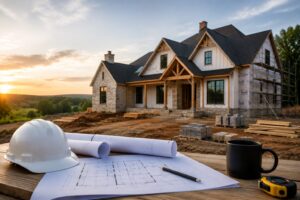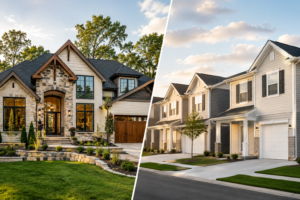
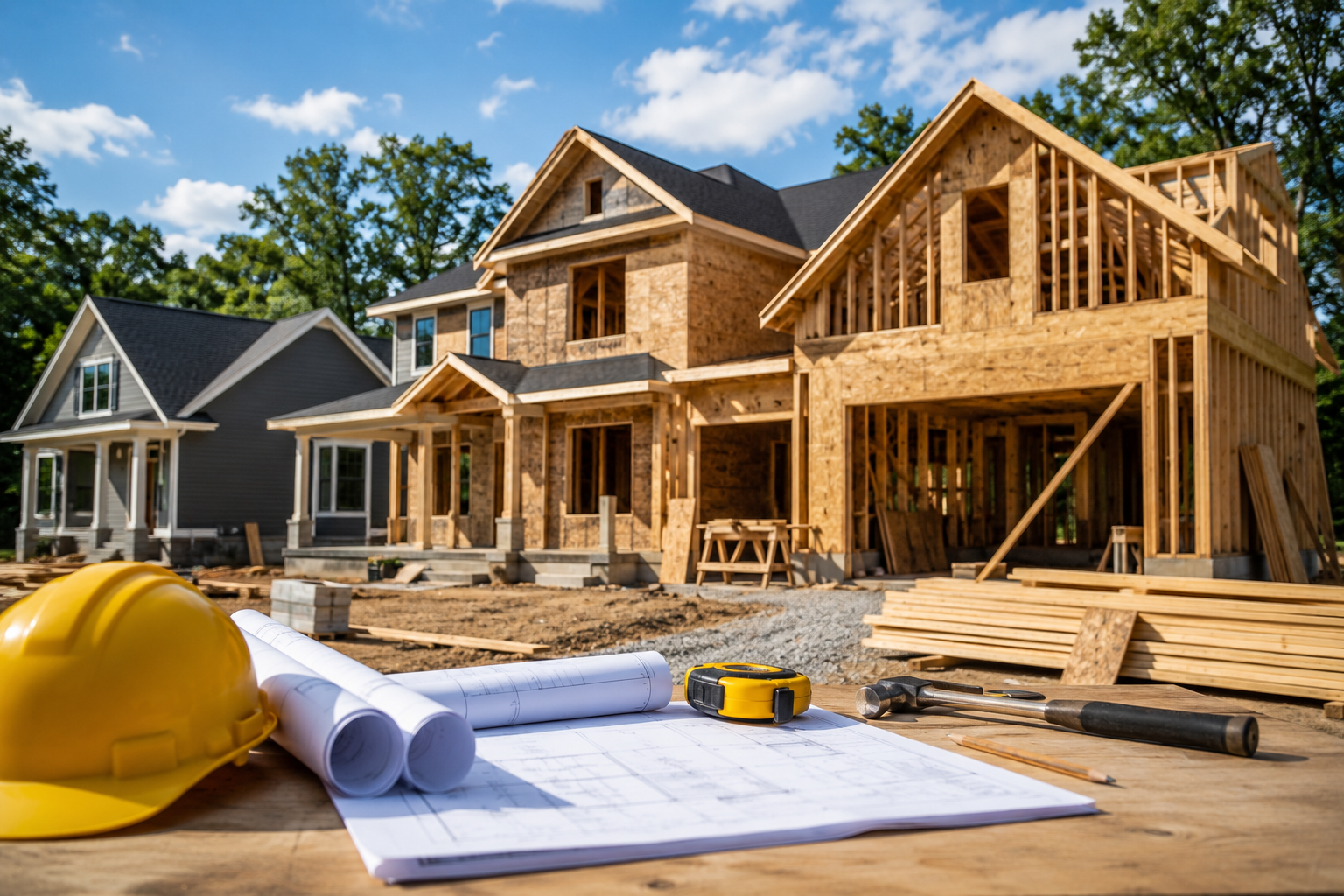
One of the first questions homeowners ask when planning a custom home is, "How long will it take?" While every project is unique, understanding the typical custom home construction timeline can help you plan with confidence and set realistic expectations before breaking ground.
Building a custom home is much more than the construction phase itself. Before the first foundation is poured, there are important steps involving planning, design, budgeting, permitting, and site preparation. Once construction begins, each phase builds upon the previous one to create a home designed specifically around your family's lifestyle and long-term goals.
At Ridge Contracting Inc., we believe that homeowners should understand the entire process before construction begins. In this guide, we'll walk through each stage of building a custom home in North Carolina, explain what can affect your timeline, and share practical ways to help keep your project moving efficiently.
Although every project is different, most custom homes in North Carolina typically take anywhere from 10 to 16 months from the initial planning stages through final completion. Larger homes, complex architectural designs, difficult building sites, custom finishes, and weather conditions can all extend the overall timeline.
It's important to remember that construction itself is only one portion of the project. Designing the home, selecting finishes, obtaining permits, preparing the site, and coordinating subcontractors all contribute to the total timeline.
Many homeowners focus only on the months spent building the home, but proper planning before construction often saves significant time—and costly changes—later in the process.
The planning phase lays the foundation for everything that follows. Taking the time to carefully define your goals before construction begins helps ensure smoother communication, more accurate budgeting, and fewer surprises during the build.
During this stage, homeowners typically consider:
Many homeowners also begin researching neighborhoods or evaluating property they already own.
If you're still in the early planning stages, our article on Custom Home vs. Production Home: Which Is Right for You? explains the advantages of designing a home specifically around your lifestyle compared to purchasing a production home.
For homeowners who haven't yet purchased land, selecting the right property is one of the most important decisions in the entire project.
Several factors can influence both construction costs and scheduling, including:
A beautiful lot may require additional site preparation before construction can begin. Evaluating these conditions early helps avoid unexpected delays later.
Once the property has been selected, attention turns toward designing the home itself.
This phase typically includes working with a designer or architect to develop floor plans that reflect your family's lifestyle while fitting both your property and budget.
Common design decisions include:
Although homeowners are often eager to begin construction immediately, investing time during the design phase frequently reduces delays later because many decisions have already been made before crews arrive on site.
Once preliminary plans are complete, the project budget begins taking shape.
This stage allows homeowners to select many of the finishes and materials that make a custom home unique.
Selections commonly include:
Making these decisions before construction begins helps minimize delays caused by product availability or last-minute design changes.
If you're wondering how these selections affect the overall investment, be sure to read our guide on How Much Does It Cost to Build a Custom Home in Rowan County, NC?, where we explain many of the factors that influence a custom home's final price.
Before construction begins, the project must move through the permitting process.
Depending on the location and scope of the project, this may involve:
Permit approval timelines vary depending on the municipality and complexity of the project.
The North Carolina Licensing Board for General Contractors provides homeowner resources and information regarding licensed contractors throughout the state. :contentReference[oaicite:0]{index=0}
Once permits have been approved, construction officially begins with preparing the building site.
This phase often includes:
Weather can play an important role during this stage. Excessive rainfall, particularly during excavation or foundation work, may temporarily delay progress until conditions improve.
However, beginning with a properly prepared foundation provides the structural base for every phase that follows and helps ensure the long-term durability of the home.
Once the foundation has cured and passed inspection, the framing phase begins. For many homeowners, this is one of the most exciting milestones because the house begins to take shape.
During framing, crews construct the home's structural framework, including:
As the framing progresses, homeowners can finally walk through the home and experience the room sizes, ceiling heights, and overall layout in person. This stage also provides an opportunity to confirm that the design functions the way it was intended before additional systems are installed.
After framing is complete, the home begins to become "dried in." This means the structure is protected from weather, allowing interior work to continue more efficiently.
Typical work during this stage includes:
Once the building is weather-tight, interior trades can begin working regardless of normal weather conditions, helping maintain construction momentum.
With the structure enclosed, licensed subcontractors begin installing the systems that make the home functional.
These systems typically include:
Multiple inspections are often required throughout this phase before insulation and drywall can begin.
Once mechanical inspections have been completed, insulation is installed throughout the home to improve energy efficiency and indoor comfort.
Drywall is then hung, taped, finished, and sanded, transforming the framed structure into recognizable living spaces.
This stage often creates one of the biggest visual transformations in the project, as individual rooms begin to feel like a finished home rather than a construction site.
Interior finish work is where homeowners truly begin to see their vision come together.
Depending on the design, this phase may include:
Although exciting, this phase requires careful coordination between multiple trades to ensure every finish is installed properly and in the correct sequence.
As construction nears completion, the home undergoes final inspections to verify compliance with applicable building codes.
The builder will also complete a final walkthrough with the homeowner to review the completed project and identify any remaining touch-ups before move-in.
This walkthrough provides an opportunity to become familiar with the home's systems, ask questions, and ensure every detail meets expectations.
While every builder works to maintain an efficient schedule, several factors can influence the overall timeline.
Some of the most common causes of delays include:
Many of these situations are outside anyone's control, but proactive planning and clear communication can help minimize their impact.
Although no construction schedule is completely predictable, homeowners can help keep the project moving by making decisions early and maintaining regular communication throughout the process.
Helpful ways to avoid unnecessary delays include:
Building a custom home is a collaborative process. Clear communication between the homeowner, builder, designers, and subcontractors helps ensure the project progresses as efficiently as possible.
At Ridge Contracting Inc., we understand that building a custom home is one of the most significant investments a family will ever make.
Our goal is to provide homeowners with quality craftsmanship, honest communication, thoughtful planning, and attention to detail throughout every stage of construction.
Whether you're planning a fully custom home, a major renovation, a home addition, or another residential construction project, our team works closely with you from the initial consultation through final completion.
We proudly serve homeowners throughout Salisbury, Mooresville, Concord, Rowan County, and surrounding North Carolina communities.
Most custom homes require approximately 10 to 16 months from initial planning through final completion. The exact timeline depends on the home's complexity, permitting, weather, site conditions, and material availability.
Planning, design, permitting, and interior finishes often require the most time. While framing happens relatively quickly, selecting materials and coordinating multiple trades during the finishing stages can take several months.
Yes. Heavy rainfall, freezing temperatures, and other severe weather conditions can temporarily affect excavation, foundation work, framing, and certain exterior finishes.
Yes, but major design changes after construction begins may increase costs and extend the overall timeline. Making important decisions early helps reduce delays.
It can. Property conditions, grading requirements, utility availability, septic systems, and permitting all influence how quickly construction can begin.
Establish a realistic budget, finalize your floor plan, make material selections early, and maintain open communication with your builder throughout the project.
Yes. Ridge Contracting Inc. provides custom home building, residential construction, renovations, and home additions for homeowners throughout Salisbury, Mooresville, Concord, Rowan County, and surrounding North Carolina communities.
Building a custom home takes careful planning, experienced craftsmanship, and a builder who understands your vision from the very beginning. Whether you're just beginning to explore your options or you're ready to break ground, Ridge Contracting Inc. is here to guide you through every stage of the process.
Learn more about our residential construction services, browse additional articles in our Building Insights blog, or contact Ridge Contracting Inc. today to schedule a consultation and discuss your custom home project.